







But typically, accountants earn more than bookkeepers, and their midpoint salary is higher. They work hand-in-hand to ensure that the business complies with all legal and reporting requirements. This includes submitting documents and paying bookkeeping accountants for local, state, and federal taxes on time. Tax strategy and planning, as well as tax filing, are tasks often done by accountants. Bookkeepers prepare the information and documents that accountants need come tax season. It also keeps business owners from incurring unnecessary liabilities like debts and unpaid bills.

Enrolled Agent vs. CPA: Understanding the Differences
- Rather than automating isolated tasks, comprehensive IPA implementations coordinate activities across multiple systems, departments, and even organizations.
- Nearly all bookkeeping is done using computerized accounting software and programs, so bookkeepers should be comfortable learning new technology if not proficient in it.
- Automation has transformed financial processes, with cloud-based platforms like QuickBooks, Xero, and NetSuite simplifying transaction recording, reconciliation, and reporting.
- Marianne has written for Forbes, CNBC, LendingTree, Experian, LearnVest, MagnifyMoney, Credit Karma, Student Loan Hero and Fundera, among others.
- If you have an eye for detail and are good at math, then bookkeeping is not difficult to learn.
Accountants help maximize deductions, such as Section 179 expensing for equipment purchases, which allows businesses to deduct up to $1.22 million in qualifying assets for 2024. They also navigate tax credits like the Research & Development (R&D) credit, which can offset payroll taxes for eligible startups. Automation and AI have streamlined and automated repetitive tasks in bookkeeping and accounting, leading to increased efficiency and accuracy. Based on this information, accountants work with bookkeepers to develop realistic budgets, set financial goals, and allocate resources effectively. Bookkeepers help monitor and track budget performance, providing feedback to accountants for adjustments or revisions as needed. The salary range for bookkeepers and accountants differ per state and on other important factors.
- CPAs are accountants who have completed a higher level of education and have passed the CPA exam.
- Bookkeeping focuses on recording and organizing financial data, including tasks such as invoicing, billing, payroll and reconciling transactions.
- The ability to do this distinguishes accounting from the many fields that require a combination of advanced education and extensive experience to propel professionals to upper earning tiers.
- Understanding the difference between bookkeeping and accounting is key to staying on top of things.
- Sage Intacct’s integration with Procore or Sage Construction Management streamlines collaboration between accounting and project management teams.
- However, they also comprehensively evaluate how money works across the business.
Fundamentals of Accounting
Some accounting positions may require a master’s degree (e.g., Master of Accounting or Master of https://www.bookstime.com/ Business Administration). He has years of experience in public accounting, technical accounting, bookkeeping, and more! He obtained a bachelor and master’s degree in accountancy from Long Beach State University.

What is online bookkeeping?
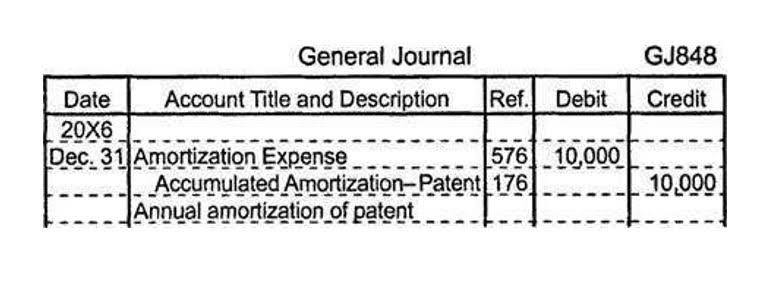
They use bookkeeping software or spreadsheets to ensure every dollar is accounted for. Without bookkeeping, accountants would be unable to successfully provide business owners with the insight they need to make informed financial decisions. Double-entry bookkeeping is the practice of recording transactions in at least two accounts, as a debit or Online Accounting credit. When following this method of bookkeeping, the amounts of debits recorded must match the amounts of credits recorded.

- LessAccounting also has a range of accounting tools such as invoice management and mileage tracking.
- Every business must have an accounting and bookkeeping process to prepare the financial records at the end of a quarter/year.
- Accounting provides a clear picture of your financial performance, helping you identify areas for improvement and growth.
- Accountants utilize financial data to develop forecasts and models that help businesses make informed decisions.
- Browse the articles in this series to get a full picture of where a degree and career in accounting can take you.
- Bookkeeping involves systematically recording financial transactions, forming the foundation for all financial processes.
Usually, businesses rely on CPAs for auditing financial statements, handling tax planning and compliance, and ensuring financial practices adhere to regulations. One ensures the financial engine runs smoothly day-to-day, while the other acts as a strategic advisor, guiding the business toward its financial goals. Bookkeepers focus on accurate financial record-keeping, making sure every transaction is documented. Accountants then use this data to provide strategic insights and support important business decisions. It’s a true partnership, with each role playing a crucial part in the overall financial health of the business.